
Officially, the export of labor for massage jobs is completely banned.
On August 24th, with over 95% of the attending delegates voting in favor, the National Assembly passed the Law amending and supplementing a number of articles of the Law on Workers Going Abroad under Contract.

Minister of Home Affairs Nguyen Tien Hai presents the report on the acceptance, explanation, and revision of the draft law before its approval by the National Assembly - Photo: National Assembly
Priority should be given to providing special policies for trained workers.
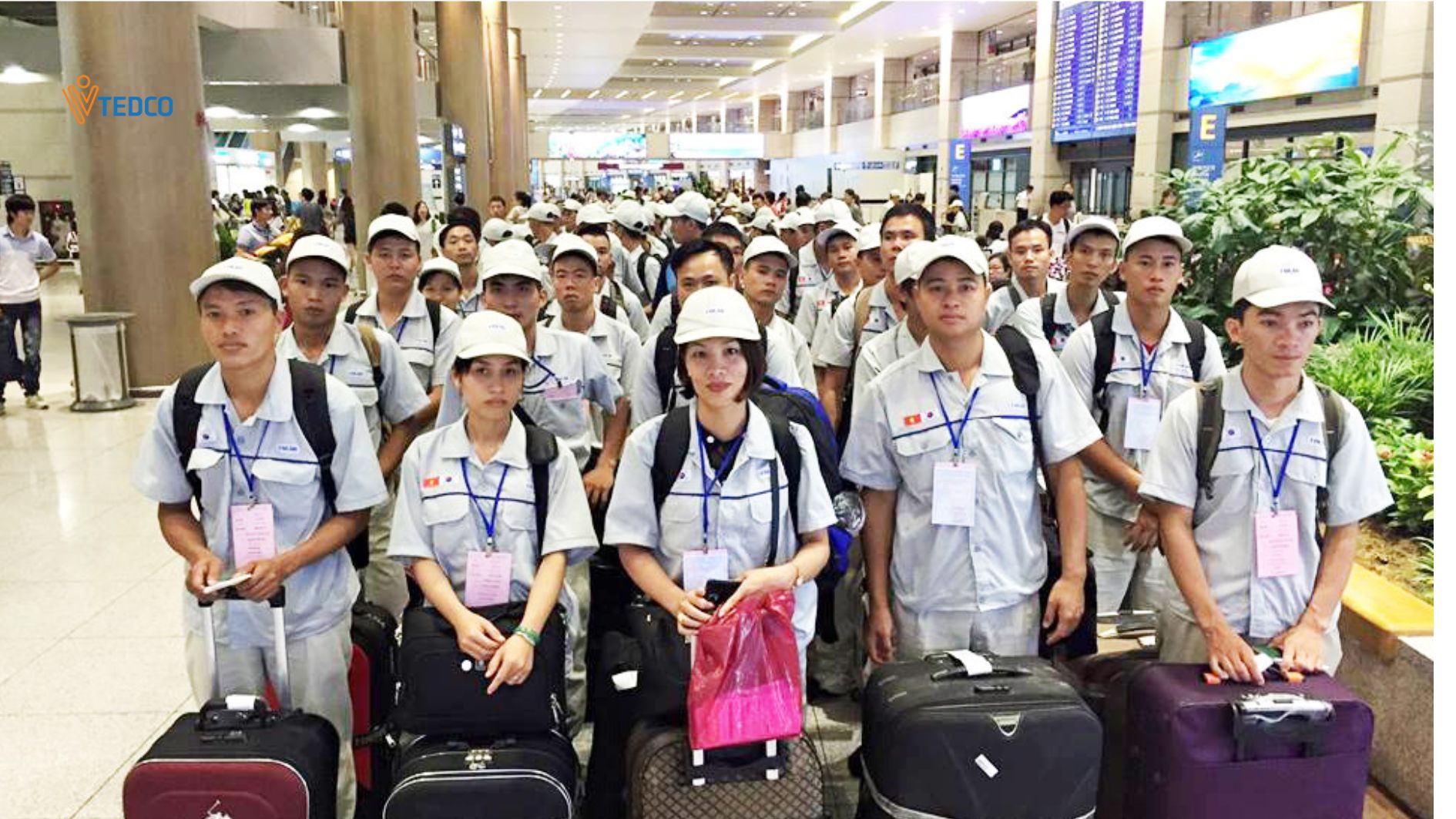
According to the newly passed law, priority will be given to sending trained and skilled workers abroad under contract to improve their income, hone their skills, access modern technology and management, learn foreign languages, develop work discipline, and cultivate an industrial work ethic.
Strengthening the connection between job information for returning workers and the domestic labor market aims to promote and effectively utilize skilled human resources who have worked abroad.
Vietnamese workers going to work abroad under contract in certain industries, occupations, or jobs requiring specialized technical skills or in fields prioritized for development by the State are entitled to special mechanisms and policies for working abroad.
Workers are also effectively attracted and utilized after returning to their home country, in accordance with the socio-economic conditions of each period as stipulated by the Government.
Regarding prohibited acts in the field of Vietnamese workers going to work abroad under contract, the law amends and supplements Clause 11.
Specifically, it is strictly prohibited to work abroad or to organize the recruitment, preparation, and sending of Vietnamese workers abroad under contract that violates national security, social order and safety, social ethics, the health of workers and the community, or that is not permitted by the receiving country.
The law also amends and supplements the provision prohibiting overseas employment or sending Vietnamese workers abroad for massage work in general.
Previously, under the 2020 law, this prohibition applied to sending workers to perform massage jobs in restaurants, hotels, or entertainment centers.
At the same time, the law also amends and supplements the prohibition against organizing overseas employment or organizing the selection, preparation of labor resources, and sending Vietnamese workers to work abroad in areas of conflict or areas where competent authorities have advised against or restricted travel.
Tighten licensing regulations in cases of license revocation.
Regarding the conditions for granting licenses to operate services for sending Vietnamese workers abroad under contract, the regulations will be amended to require the presence of professional staff who meet the conditions stipulated by the Government.
Furthermore, if the legal representative of a business has had their license revoked within 5 years from the date of the revocation decision, they are not eligible for a new license.
Businesses whose licenses have been revoked within 5 years from the date of the revocation decision are also not eligible for a new license.
Furthermore, the law also adds many provisions related to labor force preparation. For example, labor force preparation before signing labor supply contracts is required, including preparation regarding training costs, vocational skills development, foreign language training, and other related expenses.
Service businesses are only allowed to collect fees for vocational training and language skills development after the worker has been selected by the foreign employer and a contract has been signed for sending Vietnamese workers abroad.
The law also adds responsibilities for state management regarding Vietnamese workers going to work abroad under contract. Specifically, the Ministry of Interior coordinates with the Ministry of Public Security in exchanging information and managing the situation of Vietnamese workers going to work abroad.
Preventing, detecting, and handling violations of the law, acts of exploitation to organize and broker illegal emigration, human trafficking, forced labor, fraud, illegal collection of money from workers, and other issues related to national security, public order, and social safety.
_Collect_