
Despite having jobs available until 2027, shipbuilding businesses are still facing cash flow problems
Orders remain available, and jobs for workers are secured until 2027, but shipbuilding businesses under SBIC are facing difficulties in maintaining cash flow due to tax issues and electronic invoicing procedures
The invoicing process is lengthy, and cash flow is stalled.
In the final months of the year, production at Saigon Shipbuilding and Marine Industry Company Limited (SSMI) is bustling, from the workshops and yards to the dry docks. However, behind this vibrant production pace lie difficulties in working capital due to obstacles in tax procedures and value-added tax (VAT) invoice issuance, directly affecting contract execution and business operations.
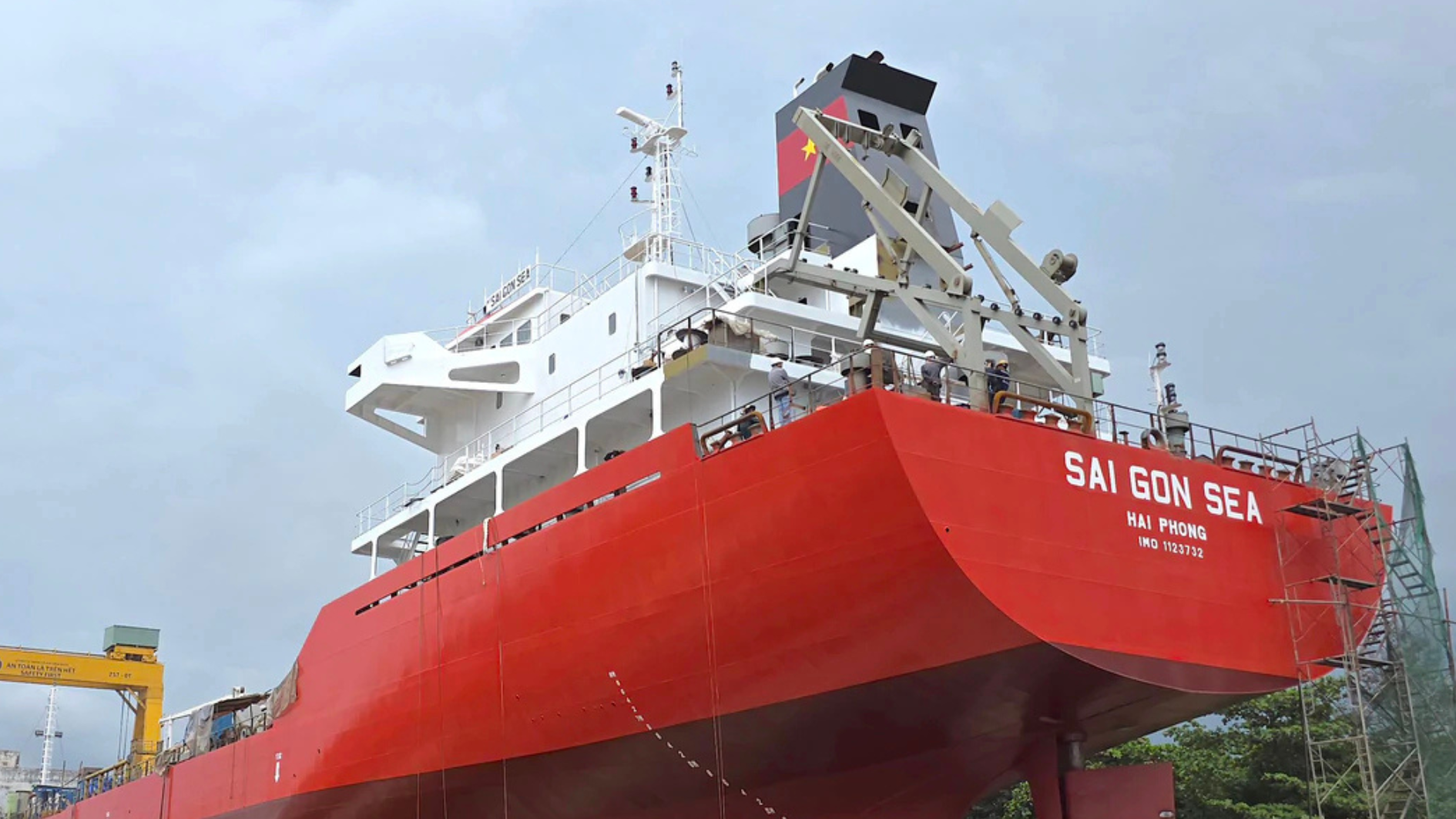
The oil tanker was constructed by SSMI
Speaking with Construction Newspaper, Mr. Cao Tuan Dung, Deputy General Director of SSMI, said that the company is focusing on launching and delivering newly built and repaired vessels. With a plan to build 18 new vessels and repair 68 vessels in 2026, along with subsequent contracts, the company guarantees employment for its workers until the end of 2027.
However, during the bankruptcy proceedings under Government Resolution 220, SSMI is facing difficulties in issuing electronic invoices, putting significant pressure on its cash flow for production and business operations.
According to SSMI, the company previously issued VAT invoices to customers normally through the electronic system. However, after the decision to initiate bankruptcy proceedings, from June 19, 2026, the tax authority's electronic invoice system refused to issue invoice codes on the grounds that the tax identification number was in the status of "Taxpayer awaiting bankruptcy proceedings," even though at the time of reporting, the company did not owe taxes or other payments to the State budget.
According to tax authority guidelines, businesses must request electronic invoices with codes for each transaction and pay the corresponding VAT before approval. This process takes approximately 10-15 working days, while SSMI needs to issue around 80-90 invoices per month.
"Waiting for invoice codes directly affects the progress of ship delivery, debt collection, and contract execution. A unique characteristic of the shipbuilding industry is that businesses are usually only paid after completing repairs, delivering the ship, and issuing invoices. Prolonged procedures cause cash flow to stagnate, potentially leading to delays and risks in contract execution," Mr. Dung stated.
According to Mr. Dung, if tax refunds are not processed promptly, businesses also face the risk of a shortage of working capital directly used for production and business operations.
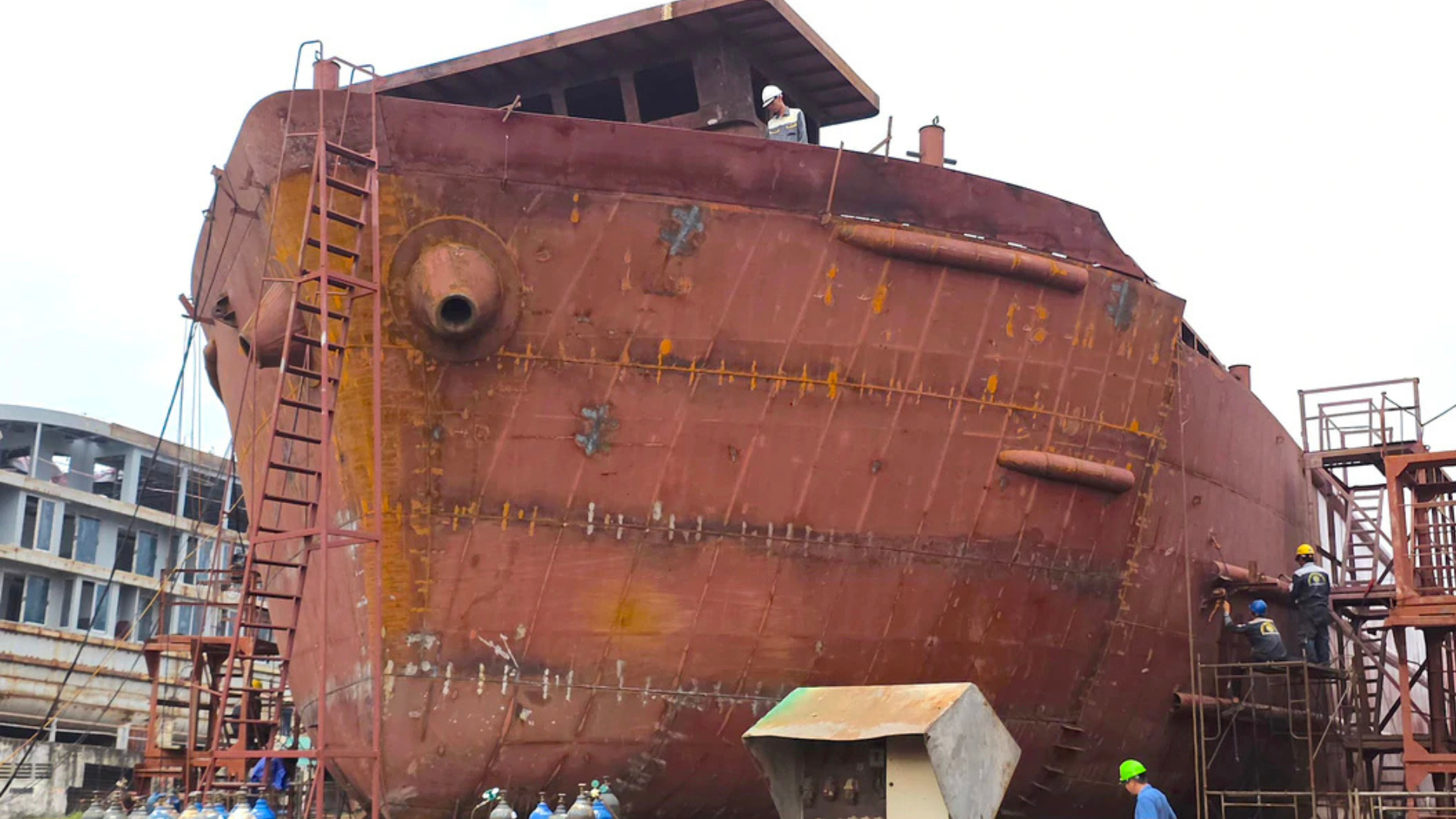
SSIC is focusing on ship construction, ensuring the project stays on schedule
Many negative consequences for production activities.
A similar situation is occurring at Saigon Shipbuilding Industry Company Limited (SSIC), even though the company continues to maintain normal production, ensuring stable employment until mid-2027.
Notably, SSIC is also under pressure from a land tax debt of over 19 billion VND, mainly due to late payments, related to the land plot at 1027 Pham The Hien Street, Chanh Hung Ward, Ho Chi Minh City. The land has been vacant since 2010, unutilized to generate revenue, while the plan for arranging and handling the land has not yet been approved.
Each time SSIC requests invoices on a transaction-by-transaction basis, they are required to immediately pay 25% of the total revenue on the invoices to be issued, further increasing financial pressure.
Reporting to the competent authorities, the Shipbuilding Industry Corporation (SBIC) stated that requiring VAT payments in advance while businesses have not yet been able to deduct input tax could cause the amount of advance payments to exceed actual tax obligations, exacerbating the shortage of working capital.
Besides affecting cash flow, the tax identification number status "Taxpayer awaiting bankruptcy proceedings" also causes customers to hesitate and delay signing new contracts. Some suppliers stop or delay supply, change payment terms, require upfront payment or payment upon delivery due to risk warnings on the tax system.
According to SBIC, if these obstacles are not removed promptly, they could make it difficult for businesses to fulfill contracts, face the risk of violating economic commitments, and affect their ability to maintain the organizational structure and financial resources needed to handle businesses in accordance with the government's policy.
Given the above situation, SBIC proposes that the competent authorities consider allowing the shipbuilding units under the corporation, including SSIC and SSMI, to issue electronic invoices as usual, and to change their tax identification number status to "Active Taxpayer".
Regarding SSIC, SBIC suggested considering writing off the outstanding tax debt. The units committed to paying VAT on invoices already issued.
According to SBIC, removing obstacles related to taxes and invoices will help businesses maintain production, fulfill existing contracts, ensure resources and jobs for workers, and facilitate the implementation of the business restructuring process as prescribed by law.
_Collect_