
Labor Export: High Income, Returning with Solid Skills
Over the years, sending workers abroad under contract (labor export) has become one of the important channels of the national employment and human resource development policy, helping to increase income and improve the lives of hundreds of thousands of Vietnamese workers each year.
Strengthening the Party's leadership over the work of sending workers abroad is fundamentally reflected in Directive 20-CT/TW of the Party Central Committee dated December 12, 2022. This policy aims to strongly innovate thinking, improve legal institutions, protect legitimate rights, enhance the quality of human resources, and develop the overseas labor market in the new context. Each worker going abroad will become an "ambassador" bringing international knowledge back to contribute to the long-term development of the country. This is the most solid foundation for Vietnamese human resources to confidently participate equally in the global value chain.

Vietnamese workers have many opportunities to work in agriculture in Japan with attractive incomes. (Illustrative image: VGP)
"The driving force" for high-income earners
To date, after 45 years of implementing the policy of sending workers abroad (from 1981 to the present), millions of Vietnamese workers have been sent to work overseas, contributing a significant amount of foreign currency to the economy , estimated at approximately 5-6.5 billion USD sent back to the country each year.
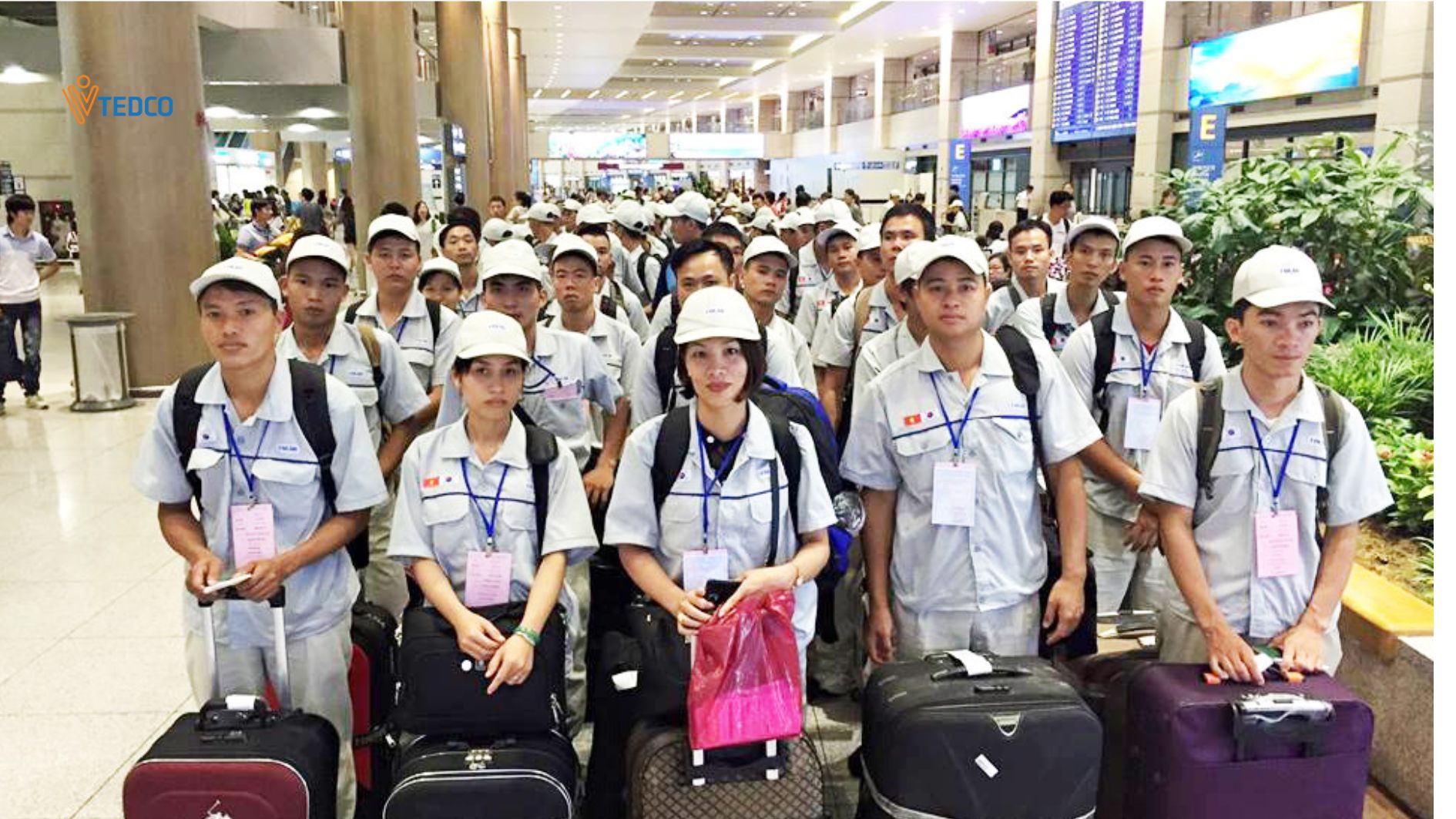
Over those 45 years, Vietnam has sent nearly 3 million workers abroad. In peak years like 2024, up to 158,000 workers were dispatched, mainly to major labor markets such as Japan, South Korea , and Taiwan (China)... Labor export is not only an important socio-economic sector, but also one of Vietnam's foreign policy pillars.
According to Mr. Vu Truong Giang, Deputy Director of the Department of Overseas Labor Management ( Ministry of Interior ), 2025 is the first year that many important resolutions of the Politburo will be implemented, creating strong momentum for the labor export sector. The labor export sector has achieved many positive results, contributing to job creation, generating foreign exchange revenue, and increasing income for workers.
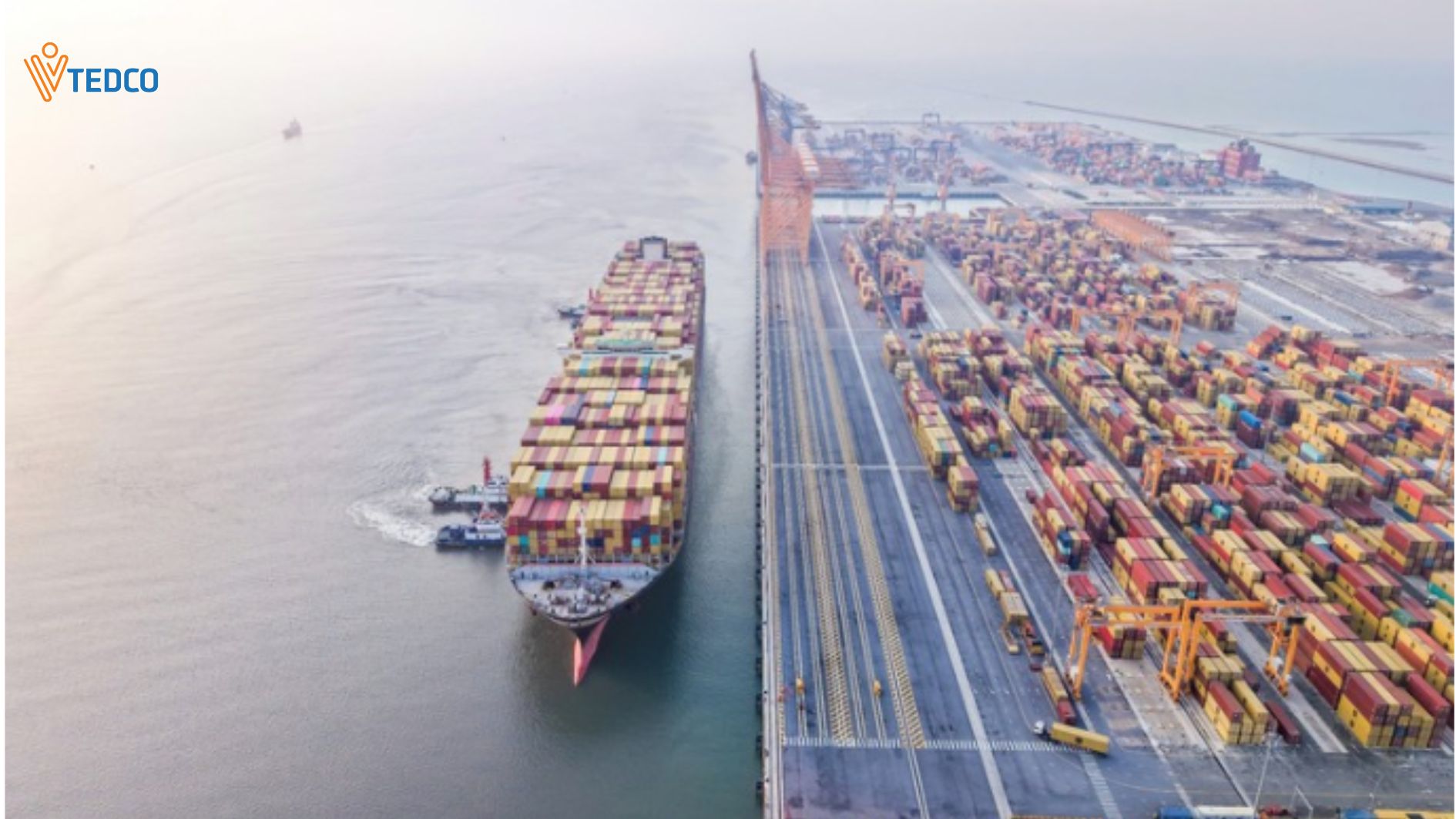
In this context, traditional markets still play a dominant role: Japan continues to be the largest recipient of Vietnamese workers, followed by Taiwan (China), South Korea, Singapore , Greece, and several other regions.
In particular, the market landscape is undergoing a clear shift. Besides familiar destinations in Asia, many European countries such as Germany, Poland, Hungary, and Romania are attracting an increasing number of Vietnamese workers, especially in professions requiring skills and expertise such as nursing, caregiving, and technical work. This trend reflects a shift towards markets with higher incomes and demands.
“High-quality labor export offers attractive incomes ranging from 30 to 90 million VND per month, along with opportunities to accumulate solid skills, especially in developed markets such as Japan, South Korea, or Germany. This is a long-term investment strategy that helps workers improve their practical skills, industrial work ethic, and ability to adapt to new technologies, thereby enhancing their qualifications and capabilities,” Mr. Giang informed.
Regarding development strategy, in addition to maintaining market share in Japan, Taiwan, and South Korea, the Department's orientation is to gradually introduce Vietnamese workers deeper into high-income markets, training them to work in countries with good incomes and working conditions in Europe (such as Germany) and America (such as Canada).
In addition, the Australian market is also attracting a lot of attention with its agricultural and skilled worker visa programs, offering exceptional income potential.

Japan is the largest recipient market for Vietnamese workers. (Illustrative image: VGP)
Return to good skills.
At the Korean language proficiency test for employment in South Korea under the EPS program (Employment Cooperation Program) held on August 13, 2026, Ms. Le Thi Bich Ngan was one of the candidates. She comes from the rural area of Vinh Long and chose to work in the manufacturing industry in South Korea from the very beginning.
According to Ms. Ngan, choosing to go to South Korea wasn't just about the high salary, but also because she wanted to learn and improve her skills to a high level so that when she returned, she could develop her own career and contribute to her country.
Meanwhile, Ms. Tran Thi Huong (from Bac Ninh province) shared that after participating in agricultural work in Japan for many years, accumulating professional experience and income, she has built a spacious and comfortable home for herself by the end of 2025.
Not only did she earn a good income, allowing her to save up to start a business back in her hometown, but she also learned about high-tech agriculture in other countries, so that when she returned home, she could develop her career and establish a stable economic situation.
It's not just Ms. Ngan or Ms. Huong; many people who went abroad for work have returned and "transformed" entire villages, further confirming that the policy of sending workers overseas is a "driving force" for people to earn higher incomes and return with good skills.
They find stable jobs or become business owners, creating jobs for many other workers.
Enhancing the competitiveness of Vietnamese labor in the international market.
In recent years, the biggest change in the international labor market has not been in recruitment needs but in the criteria for selecting workers. Japan, South Korea, and many European countries are shifting towards prioritizing skilled workers with foreign language proficiency and the ability to adapt to a modern work environment.
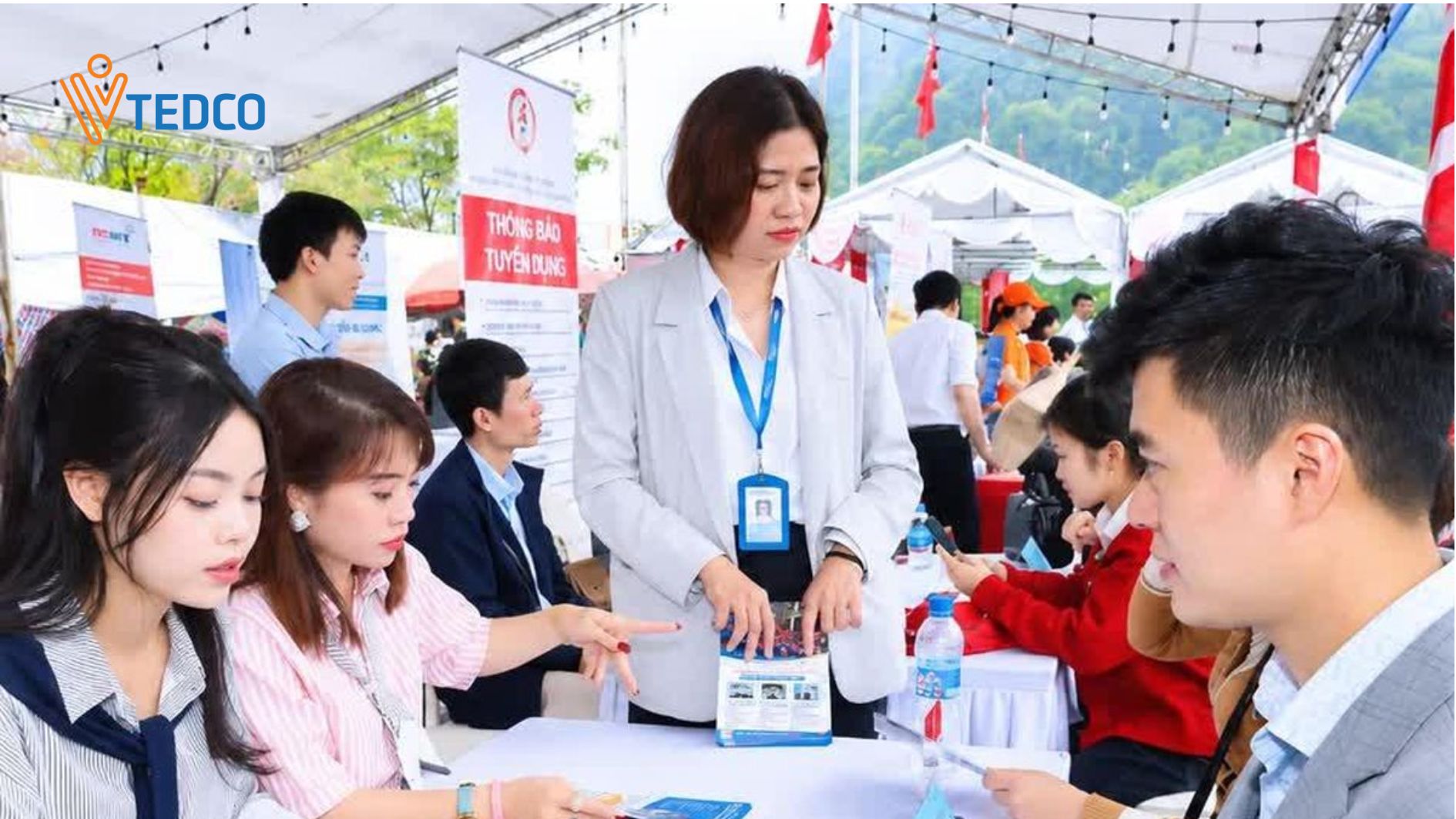
This change has forced labor export companies to adjust both their recruitment and training processes. The goal is no longer just to recruit enough workers to meet orders, but to prepare a workforce that can immediately meet the requirements of the receiving company.
“Labor export is entering a new phase, no longer chasing quantity but focusing on quality and sustainability. Training is no longer just preparation before departure but has become a decisive factor in determining the quality of the workforce and the ability to maintain traditional markets,” said Mr. Le Long Son, General Director of Esuhai Group (a company providing career counseling, sending interns and engineers to work in Japan).
According to former Minister of Labour, Invalids and Social Affairs Dao Ngoc Dung, who has nearly 10 years of direct experience in this field, what is more important than the "number" of people sent to work abroad is the "quality" of the workforce.
Mr. Dung cited Japan as an example, noting that it has always been one of the largest markets for Vietnamese labor, with over 55,000 people expected to go to Japan in 2025 alone. To date, approximately 350,000 young Vietnamese people have had the opportunity to go to Japan to learn vocational skills, work, and grow. These achievements do not belong to any single agency, enterprise, or individual. They are the result of the joint efforts of both countries and of many generations of Vietnamese and Japanese managers, businesses, educational institutions, and workers.
"A worker going to work and returning with savings is a good outcome. But a worker returning with a stable career, foreign language skills, a professional work ethic, a sense of discipline, work experience, management capabilities, and the ability to adopt technology – that is the long-term value for the nation," Mr. Dao Ngoc Dung observed.
Preparing the workforce for new markets shows that there is still significant room for growth in labor export. However, the ability to capitalize on these opportunities will depend on the quality of human resources that localities can supply. This is also the direction we are choosing as we shift our focus from quantitative development to improving the quality of the workforce.
To put this direction into practice, the National Assembly also passed the Law on Vietnamese Workers Working Abroad under Contract (amended) to suit the reality; subsequently, the Ministry of Interior also developed the Strategy for Sending Workers Abroad to 2030, with a vision to 2045; and implemented decentralization and delegation of authority to localities in the field of sending workers abroad.
With comprehensive solutions, labor export continues to affirm itself as one of the effective and sustainable channels for job creation, meeting the development requirements of the new era.
_Collect-