
Tightening Cargo Securing Inspections to Prevent Vietnamese Vessels from Being Detained Abroad
Member authorities of the Tokyo MOU are implementing a Concentrated Inspection Campaign (CIC) focusing on the stowage, securing and transportation of cargo on board ships, with the aim of strengthening compliance with safety regulations and reducing the risk of containers and cargo being lost overboard.
Three Months of Concentrated Inspections
According to the Vietnam Maritime and Waterway Administration, from September through the end of November 2026, maritime authorities of member countries of the Tokyo Memorandum of Understanding on Port State Control in the Asia-Pacific Region (Tokyo MOU) will conduct a Concentrated Inspection Campaign (CIC) focusing on the stowage, securing and carriage of cargo on board ships.

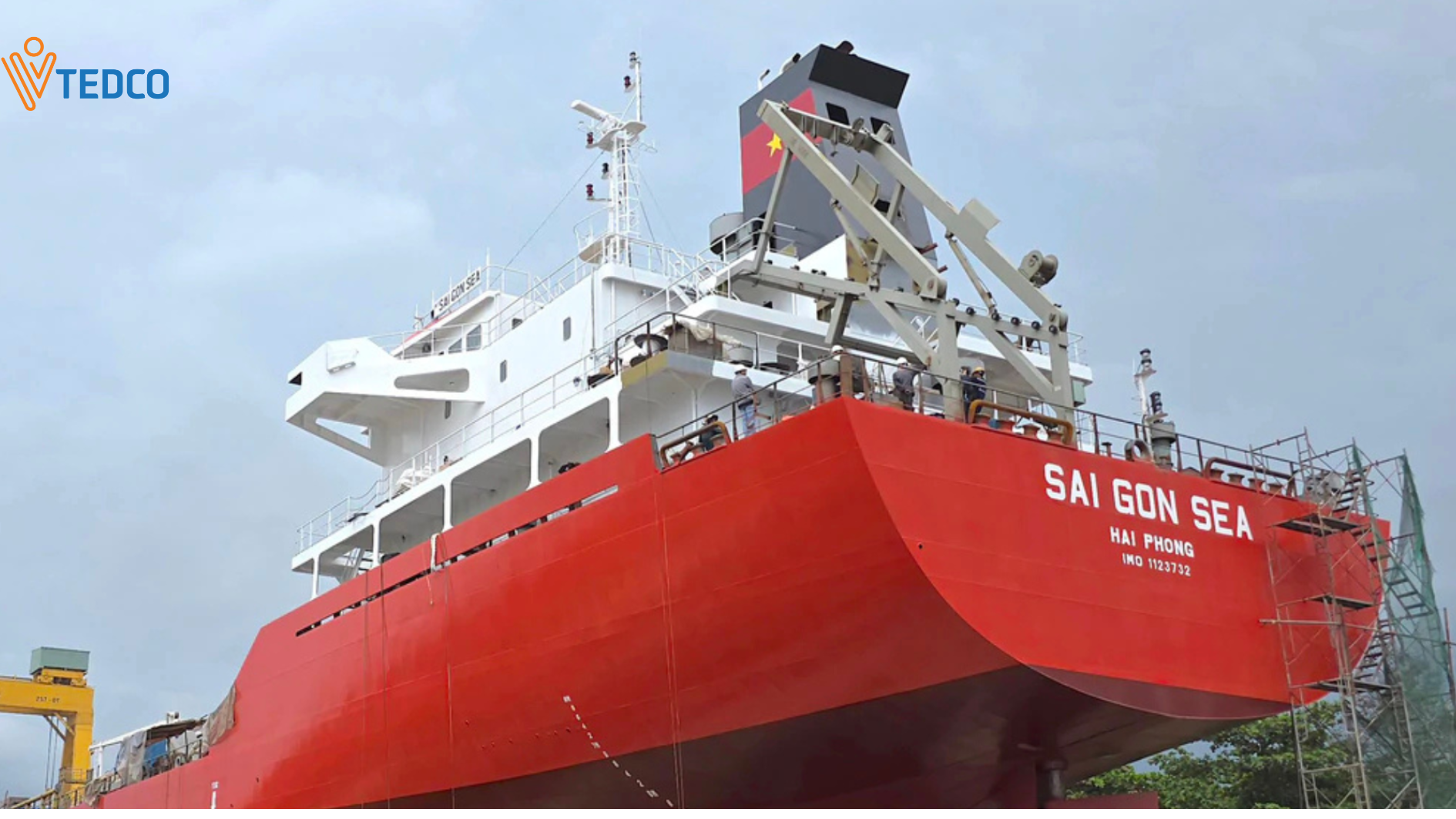
Shipowners and operators are required to strictly comply with the Safety Management System approved by the relevant classification society and meet all cargo securing requirements in order to minimize deficiencies and prevent vessels from being detained abroad during the inspection campaign. (Illustrative photo)
The campaign aims to assess compliance with the requirements of the International Convention for the Safety of Life at Sea (SOLAS), while also collecting data on the effectiveness of regulatory implementation, the condition of cargo stowage and securing equipment, and identifying solutions to reduce the risk of cargo, particularly containers, being lost overboard.
The inspection will cover both documentation and actual conditions on board. Authorities will review the Cargo Securing Manual (CSM), cargo mass verification information, the quantity and types of securing equipment, cargo stowage plans, and relevant procedures under the ship's Safety Management System.
In addition, inspectors will examine the condition of cargo securing equipment, load distribution, maximum stacking height, safe access arrangements for cargo securing and inspection during the voyage, and assess crew members' knowledge of preparing and monitoring cargo stowage plans.
To proactively meet the requirements of the campaign, the Quang Ninh Maritime Port Authority has requested shipowners and ship management companies to maintain the quality and competence of seafarers and ensure that vessels meet technical safety requirements in accordance with Vietnamese law and international conventions.
Vessels must fully comply with requirements related to safety, security, maritime labour and marine environmental protection, while strictly maintaining the Safety Management System approved by the relevant classification society.
For vessels operating on international routes, CIC inspections will be conducted in conjunction with Port State Control (PSC) inspections. The campaign applies to vessels required to carry an approved Cargo Securing Manual (CSM), including container ships, Ro-Ro vessels and general cargo ships. Each vessel will be inspected only once during the campaign period.
Proactive Preparation: From the Cargo Securing Manual to Securing Equipment
Authorities have recommended that shipowners and crew members proactively review the Cargo Securing Manual (CSM), ensuring that the manual has been properly approved and is fully available on board.
Officers responsible for cargo stowage and securing must have a thorough understanding of the requirements specified in the CSM, as well as factors related to container weight within each stack, load distribution by tier, and the load limits of cargo holds, hatch covers and ship decks.
Cargo stowage and securing must strictly comply with the approved CSM and cargo stowage plan. Ships must also ensure safe access to cargo areas and provide sufficient portable securing equipment of the appropriate type, specification and approved standard.
Both fixed and portable cargo securing equipment must be maintained in good condition, compatible with the vessel, and regularly inspected and maintained in accordance with applicable regulations.
In particular, cargo must be securely lashed and secured throughout the voyage to minimize the risk of being lost overboard. Cargo stowage must also ensure compliance with visibility requirements from the ship's bridge.
Procedures under the Safety Management System relating to navigation in adverse weather conditions, particularly measures to prevent cargo loss, should also be reviewed and strictly implemented. All documentation related to the Cargo Securing Manual (CSM) must be fully prepared and readily available for presentation upon request by the relevant authorities.
_Collect_